Our third assignment is in two parts, and I have given each one their one post, to prevent this from ending up being a long text. For the first part we should imagine being given a teaspoon. Then we should apply each one of the SCAMPER techniques to it, before giving a brief explanation of what new product I get out of this assignment, and how it can be marketed.
S – SUBSTITUTE
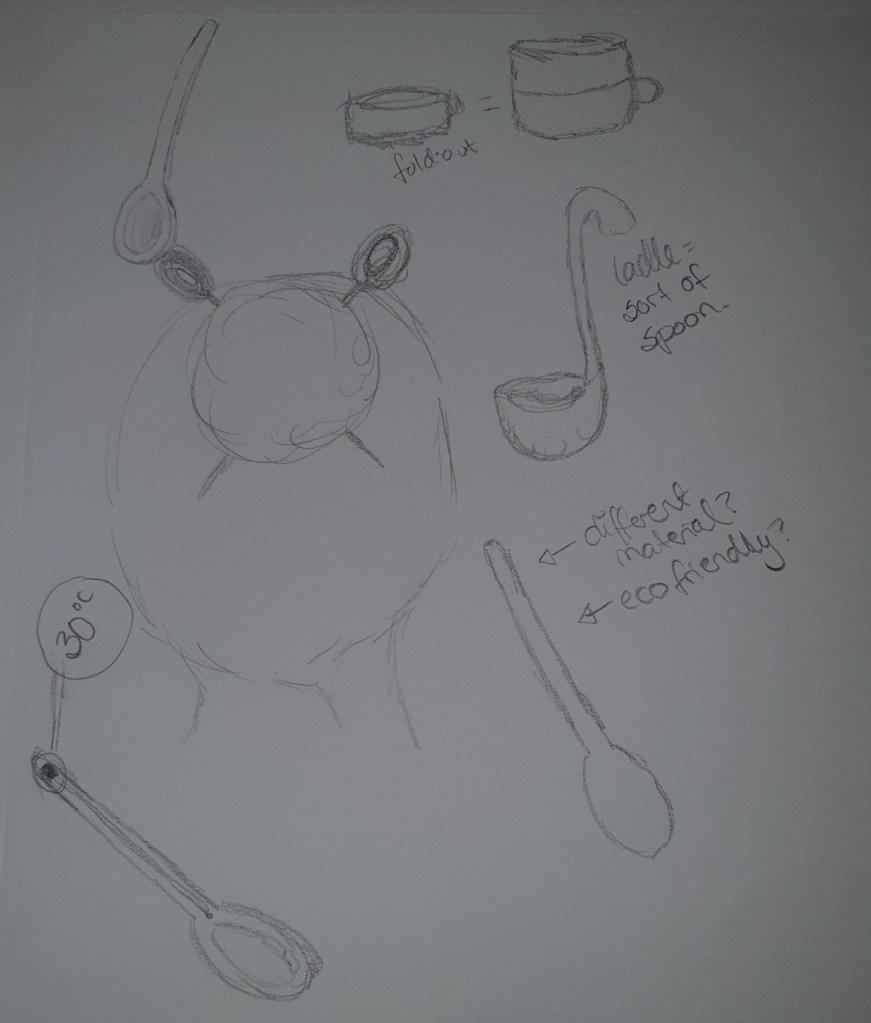
- Often the preferred material used for spoons is either steel, or silver. Depending on what use is planned for the spoon, could we substitute these materials with bamboo, plastic or even biodegradable material, for single use products.
- It it not necessary to change the material on the whole spoon, only the handle could be changed into a different material.
- A quick way to change a regular spoon, is to add a straw, instead of a regular handle.
C – COMBINE
- We could add a temperature gauge to the handle of the spoon. This could be handy for knowing when a hot soup or drink is cold enough to drink or eat, without burning off the inside of our mouths.
- Combining a teaspoon with a «Vippekopp,» we will get a miniature ladle, this could be quite useful for outdoor experiences.
A – ADAPT
- Our spoon could be adjusted in different ways. We could as an example remove the handle and create an pendant for a necklace or a bracelet.
M – MODIFY OR MAGNIFY
- We could add different color, for different types of spoons. Either to separate different spoon products from each other, or different colors in a set of teaspoons.
- Size could be modified to change the use of a teaspoon, different sized teaspoons, work for different things.
P – PUT TO ANOTHER USE
- By bending a teaspoon, we could easy turn it into a unique bracelet.
- A spoon could look like a little shovel, so it could be used for digging small holes.
- In the late 90’s hair sticks (chopsticks) were used to decorate and hold hairstyles at place. If our spoon have a long handle, maybe spoons could be a fun way to decorate hair.
- Teaspoons could serve as drumsticks when in a rush to get musical equipment.
E – ELIMINATE
- If we use old spoons for our product, we could save a lot of waste. And also save resources comparing to creating new spoons.
- When creating something different than a spoon, we could eliminate the spoon as a spoon.
R – REVERSE OR REARRANGE
- Depending on what option chosen for the spoon, we could flip it a whole set of ways. Writing this last segment, I got an idea I want to roll with for my final product. So before I take you through my product, just let me say: if I don’t to any changes, I will have a nice spoon.
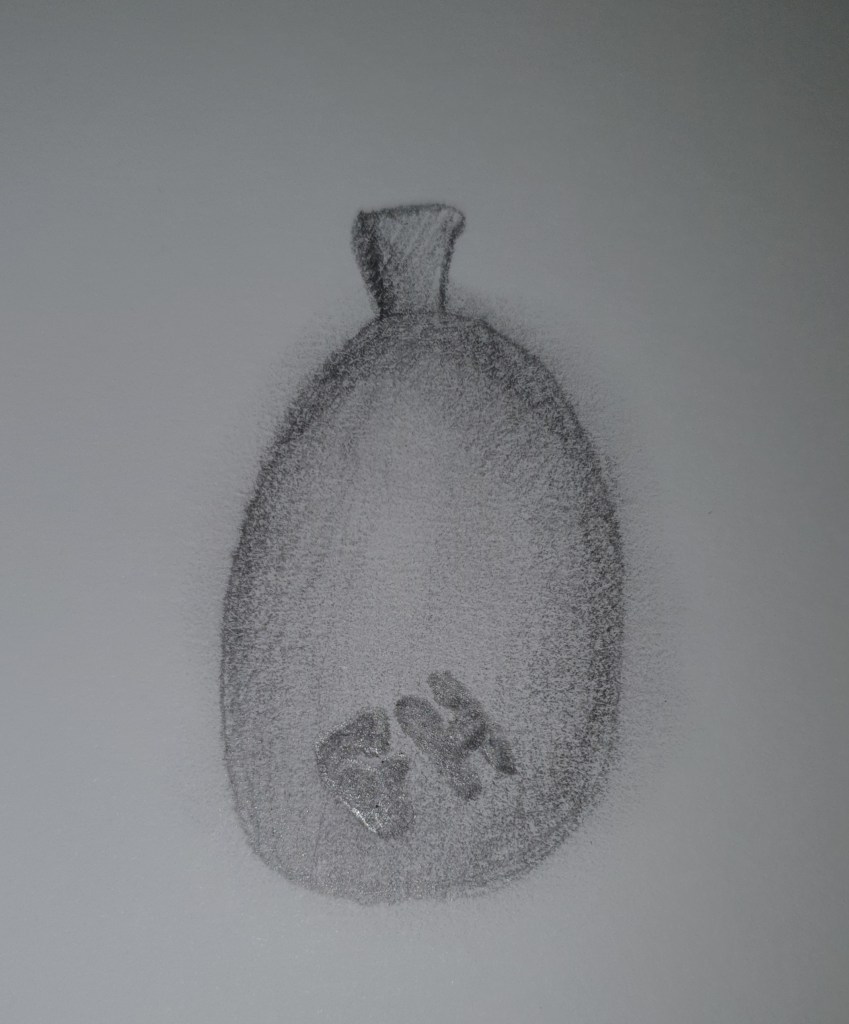
While doing this brainstorming session by myself, and playing around with a lot of ideas. I thought: I’ll do this. No, this. Wait! This! And as I wrote the last line, I was thinking about making bracelets or pendants, leaning more towards a pendant. I would then end up with a whole lot of unused spoon handles. Now that reuse and zero waste is a thing, this would be bad. I could of course melt them into new pendants, this would demand more resources, pollution and is more time consuming. So I thought, by making the handle into a hair clip and/or a brooch, I would get two/three products from one, and minimal will go to waste. The pendant and hair clip/brooch would be sold as a set, or as single items. Also offering custom work by letting customers deliver their own teaspoons. The pendants and hair clips/brooch, could be decorated with rhinestones, photos of the customers loved ones, dried flowers from nature, have initials embossed on it. I would do my marketing towards both men and women, maybe most towards women. But everyone likes to dress up, so equality for all. This could be marketed towards people with teaspoons they perhaps have inherited, that they would not use as spoons. But who still want to keep the memories connected to it, not having it just laying around as drawer filling.


 Trubadilje